
Mental health and cognitive impairment in criminal cases
If you live with a mental health condition or a cognitive impairment, the law gives the court other options. In the Local Court, a section 14 application asks the Local Court judge to dismiss the charge and connect you with treatment or support instead of proceeding to a plea and sentence. John holds a Master of Forensic Mental Health (with Excellence) from UNSW and has been a member of the Mental Health Review Tribunal of NSW since 2021.
 Dr John Weir, Accredited Specialist in Criminal Law
- What law applies?
- The Mental Health and Cognitive Impairment Forensic Provisions Act 2020 (NSW), in force since 27 March 2021.
- What did section 14 replace?
- Section 32 of the old Mental Health (Forensic Provisions) Act 1990.
- What counts as cognitive impairment?
- An ongoing impairment in adaptive functioning and in comprehension, reasoning, judgment, learning or memory. It can come from conditions such as intellectual disability, borderline intellectual functioning, dementia, acquired brain injury, drug or alcohol related brain damage including fetal alcohol spectrum disorder, and autism spectrum disorder.
- Do I need to plead?
- No. A section 14 application can be made before a plea.
Where John's mental health background helps
Mental health and cognitive impairment can be relevant at every stage of a criminal case.
- Section 14 applications in the Local Court
- Mental illness
- Cognitive impairment
- Intellectual disability
- Acquired brain injury
- Autism spectrum disorder
- Fetal alcohol spectrum disorder
- Addiction and drug or alcohol related harm
- Mental health as a factor in sentencing
- Fitness and mental health defences in higher courts
How a section 14 application works
- 1
Talk to John early
Tell him about any diagnosis, treatment or support you have. A diagnosis is helpful but not always essential to start.
- 2
Get the right report
John arranges or obtains a report from a psychiatrist, psychologist or treating doctor that addresses what the court needs to know.
- 3
Build a treatment or support plan
A plan shows the court who will support you and how, through your GP, a mental health service, NDIS supports or a treatment program.
- 4
The application
John argues why dealing with the matter this way is more appropriate than the usual criminal process.
- 5
The decision
If granted, the charge is dismissed, either unconditionally or on conditions such as following the treatment plan.
What John does
- Identifies when mental health or cognitive impairment is relevant
- Obtains reports that answer the questions the court will ask
- Works with treating doctors, psychologists and support workers
- Prepares section 14 applications in the Local Court
- Uses mental health evidence in sentence proceedings when an application is not available
- Treats you and your family with patience and respect
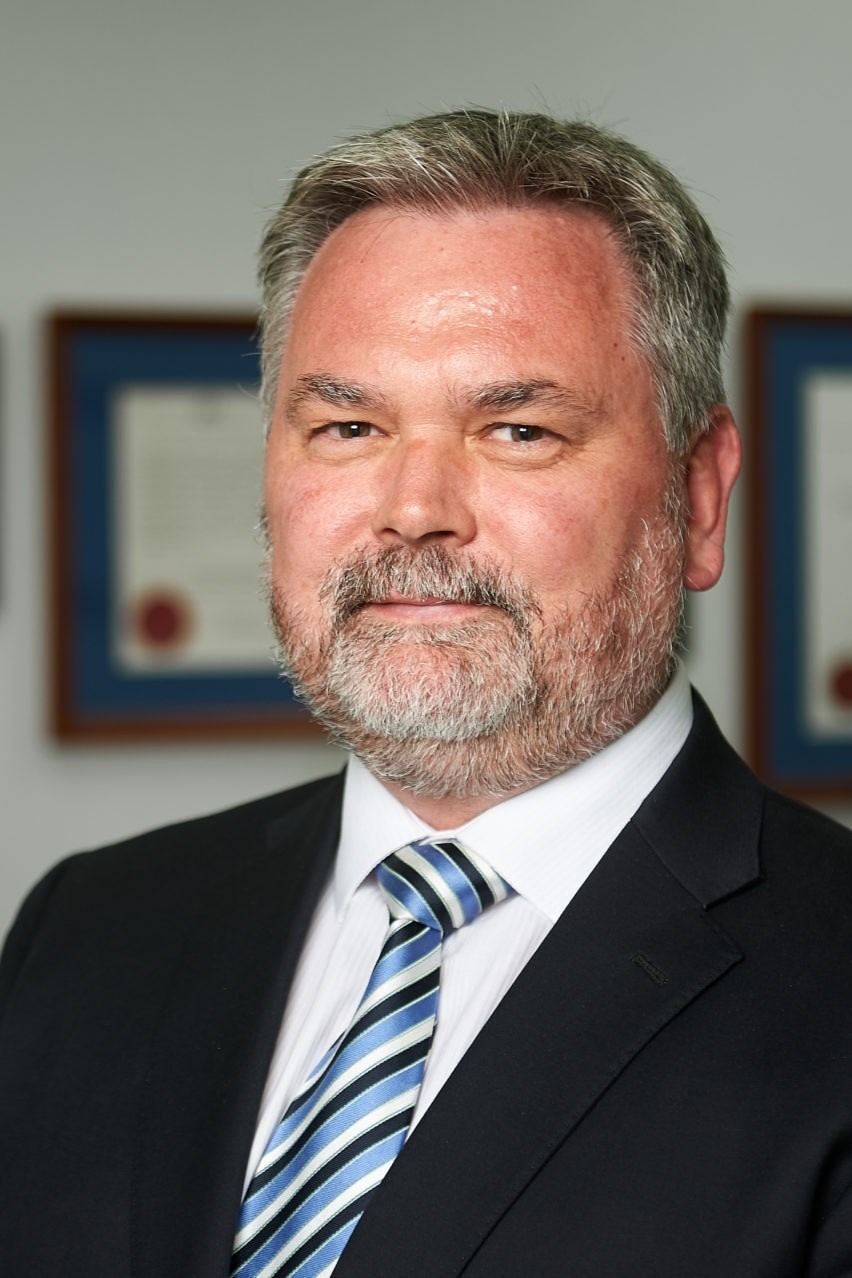
Dr John Weir
Accredited Specialist in Criminal Law
Over 30 years in court, as prosecutor, Legal Aid solicitor, barrister and solicitor advocate.
Call JohnWhy this matters to John
John's interest in how the mental health system meets the criminal law goes back to his Legal Aid days, when he appeared in mental health review hearings. He later completed a Master of Forensic Mental Health at UNSW and has sat on the Mental Health Review Tribunal of NSW since 2021.
Questions people ask
Related
Criminal charges
If you have been charged with a criminal offence, John can advise you before your first court date and represent you from the first mention to the end of the case.
Criminal chargesYoung people
When a young person aged 10 to 17 is charged, the case is usually heard in the Children's Court, which is closed to the public and focused on rehabilitation.
Young peopleAVOs
An apprehended violence order is a court order that limits contact with another person.
AVOsTalk to John about your matter.
Call now, or leave your number and the court, and John will call you back. [Call back timing]
0429 452 225jw@johnweir.com.auPO Box 469, Wagga Wagga NSW 2650